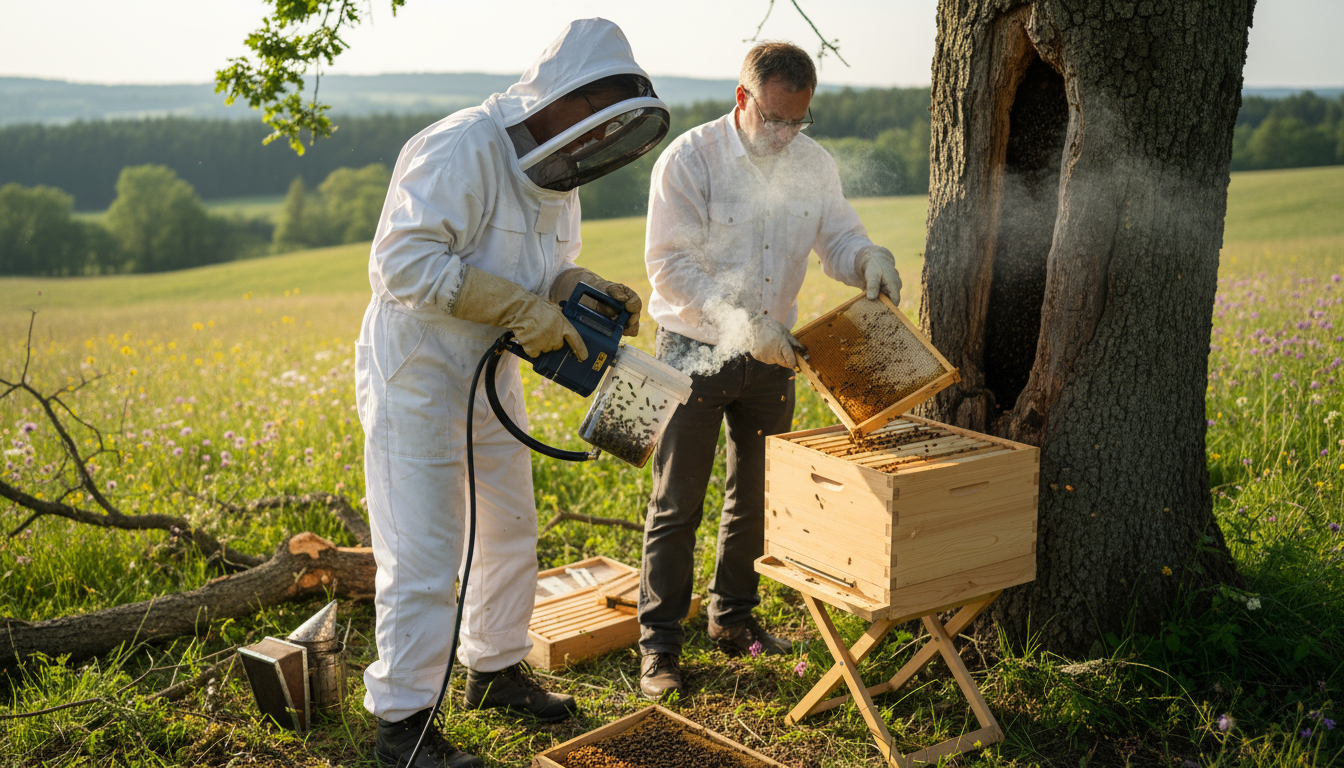
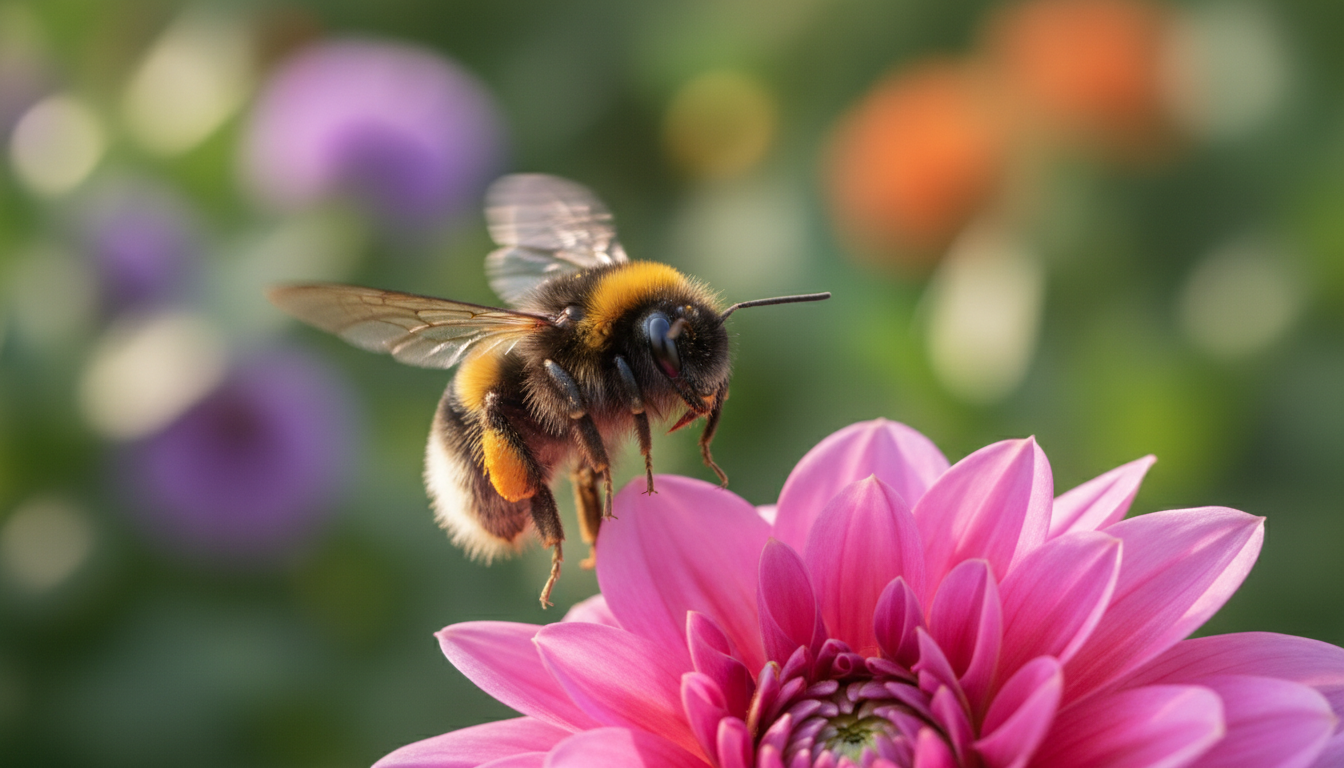
Bees are vital pollinators, playing an indispensable role in our ecosystem. Their industrious nature, however, can sometimes lead them to build nests in undesirable locations around our homes, creating potential concerns for homeowners.
While the urge might be to eliminate these buzzing residents, a humane approach to prevention and removal is always the best course of action.
Understanding why bees choose certain spots and how to gently deter them can save you headaches, protect your property, and ensure these beneficial insects continue their crucial work.
This comprehensive guide will walk you through everything you need to know about preventing bees from building a nest.
 We’ll explore bee behavior, proactive measures, natural deterrents, what to do if a nest is already forming, and when to call in professional help, all while prioritizing the safety of both your family and the bees.
Understanding Bee Behavior and Nesting Habits
To effectively prevent bees from building nests, it’s crucial to understand their motivations and preferred environments.
Bees aren’t looking to cause trouble; they’re simply seeking shelter, food, and a safe place to raise their young.
Why Bees Choose Your Property
Bees are opportunists, always on the lookout for suitable nesting sites that offer:
- Shelter and Protection: From predators, harsh weather, and human disturbance. Cavities in walls, attics, eaves, hollow trees, and even abandoned items like old tires or flowerpots provide ideal protection.
- Warmth and Insulation: A stable temperature is vital for brood development and honey storage. Well-insulated areas of your home can be particularly attractive.
- Proximity to Food and Water: If your garden is rich with flowering plants, or you have a consistent water source like a bird bath or leaky faucet, your property becomes a prime location.
- Structural Integrity: For certain species like carpenter bees, soft or untreated wood provides an easy material for boring tunnels.
Common Types of Bees and Their Preferred Nesting Sites
Different bee species have distinct nesting preferences. Knowing which type you might be dealing with can help tailor your prevention strategy.
- Honey Bees: Often form large colonies and prefer enclosed cavities like hollow trees, wall voids, chimneys, and attics. They build intricate wax combs for honey storage and brood rearing. A new swarm might temporarily cluster on a branch before finding a permanent home.
- Bumblebees: Typically build smaller nests, often close to or in the ground. They favor abandoned rodent burrows, dense grass clumps, compost piles, under sheds, or even insulation in wall cavities. Their nests are usually spherical, made of wax cells, and less organized than honey bee hives.
- Carpenter Bees: These solitary bees don’t live in colonies but bore perfectly round holes into untreated wood (soffits, fascia boards, decks, eaves, fences) to create tunnels for their eggs. You’ll often see coarse sawdust (frass) below their entry holes.
- Solitary Bees (e.g., Mason Bees, Leafcutter Bees): These non-aggressive bees don’t form colonies. Mason bees nest in natural holes like hollow reeds or drilled wood blocks, while leafcutter bees use similar cavities, lining them with cut leaf pieces. They’re excellent pollinators and rarely a nuisance unless nesting in large numbers in very visible spots.
Signs of Early Nesting Activity
Catching nesting activity early is key to easy, humane prevention. Look out for:
- Increased Bee Activity: A sudden, consistent influx of bees around a specific area of your home, especially if they seem to be entering and exiting a small opening.
- Buzzing Sounds: Faint or distinct buzzing coming from walls, ceilings, or attics. This is more common with honey bees or bumblebees establishing a colony.
- Sawdust (Frass): Small piles of sawdust beneath wooden structures indicate carpenter bee activity. You might also see the perfectly round entrance holes.
- Visible Nest Formation: Though rare for early stages, you might spot a small, newly formed comb or a cluster of bees on a surface.
- Dark Stains: Around entry points, particularly for honey bees, dark propolis or fecal stains can indicate an established nest.
Proactive Prevention: Making Your Property Less Attractive
The best way to stop bees from building a nest is to make your home and yard unappealing to them in the first place.
This involves a combination of structural maintenance and strategic landscaping.
Seal Entry Points and Repair Structures
Bees are always looking for secure, sheltered cavities. By eliminating these potential nesting sites, you significantly reduce the chances of an infestation.
- Inspect and Seal Cracks: Walk around your home and carefully inspect all exterior walls, foundations, and eaves for any cracks, crevices, or gaps. Use high-quality caulk to seal these openings. Pay close attention to areas where different materials meet, such as siding transitions or around window and door frames.
- Repair Damaged Wood: Replace or repair any rotting or soft wood on fascia boards, soffits, deck railings, and untreated wooden structures. Carpenter bees are particularly drawn to compromised wood. Paint or varnish exposed wood surfaces to deter them.
- Cover Vents and Openings: Install fine mesh screening (hardware cloth or insect screen) over all attic vents, weep holes, dryer vents, chimney openings, and any other external openings that lead into your home. Ensure the mesh is small enough to prevent bees from passing through, but still allows for proper ventilation.
- Check Utility Entry Points: Ensure that utility lines (electrical, plumbing, cable) entering your home are properly sealed where they pass through walls. Use expanding foam or caulk to fill any gaps.
- Maintain Chimneys: If you have a chimney, ensure it has a cap with a mesh screen to prevent bees (and other wildlife) from entering and nesting.
Eliminate Food and Water Sources
While you can’t eliminate all natural food sources, you can make your immediate home environment less appealing.
- Clean Up Spills: Promptly clean up any sweet spills, sugary drinks, or fallen fruit from trees in your yard. These attract bees looking for an easy meal.
- Secure Trash Cans: Use trash cans with tight-fitting lids to prevent bees from accessing food waste.
- Store Food Properly Outdoors: When eating outdoors, keep food covered and put away immediately after use.
- Address Leaky Faucets and Standing Water: Repair any leaky outdoor faucets or irrigation systems. Eliminate sources of standing water like uncovered pet bowls or clogged gutters, as bees need water for hydration and to regulate hive temperature.
- Manage Bird Baths: If you have a bird bath, consider emptying it regularly or moving it further away from your home’s entry points during peak bee season.
Maintain Your Yard and Garden
A well-maintained yard is less inviting for nesting bees.
- Mow Lawns Regularly: Tall grass and weeds can provide cover for ground-nesting bees like bumblebees. Regular mowing can disrupt their potential nesting sites.
- Clear Debris: Remove piles of leaves, woodpiles, old tires, overturned pots, or any other clutter that could offer sheltered nesting spots. Store firewood away from your house and off the ground.
- Trim Hedges and Bushes: Keep shrubs and hedges neatly trimmed, especially those close to your home, to reduce potential hiding spots.
- Consider “Bee-Friendly” Zones Away from the House: If you want to support pollinators, consider dedicating a specific area of your yard, further away from high-traffic zones, for bee-attracting plants. This can draw them away from your home’s immediate perimeter.
Strategic Planting: Using Bee-Repelling Plants
Certain plants emit scents that bees find unpleasant, acting as natural deterrents. Planting these strategically around your home, especially near potential entry points, can help keep bees at bay.
- Mint: Bees generally dislike the strong scent of mint. Plant mint around the perimeter of your house or in pots near windows and doors.
- Citronella: While often associated with mosquitoes, citronella’s strong aroma can also be off-putting to bees. Plant citronella grass or use citronella candles.
- Eucalyptus: The potent smell of eucalyptus oil and leaves can deter bees.
- Geraniums: Many varieties of geraniums, particularly scented geraniums, are known to repel bees.
- Marigolds: Some varieties of marigolds emit a strong, pungent odor that bees tend to avoid.
- Basil: This common culinary herb can also act as a bee deterrent when planted near your home.
- Cucumber: Bees reportedly dislike the smell of cucumbers. Placing cucumber peels in areas where bees are active can sometimes help.
Remember that while these plants can act as deterrents, they are not foolproof solutions, especially if bees are highly motivated by other factors.
Natural Deterrents and Repellents to Discourage Nesting
If you notice early signs of bees scouting an area, or want to reinforce your preventative measures, several natural repellents can be employed.
These methods aim to make the area undesirable for bees without causing them harm.
The Power of Scent: Essential Oils and Strong Aromas
Bees rely heavily on their sense of smell. Strong, pungent odors can disrupt their communication and navigation, making an area less appealing for nesting.
- Peppermint Oil: Mix 10-15 drops of peppermint essential oil with water in a spray bottle. Spray this solution directly onto areas where bees are congregating or where you suspect they might nest. Reapply daily for a few days.
- Clove Oil: Similar to peppermint, clove oil has a strong scent that bees dislike. Use it in the same way as peppermint oil.
- Almond Oil: Bees are known to dislike the smell of bitter almond oil. You can soak cotton balls in almond oil and place them in potential nesting spots or spray a diluted solution.
- Eucalyptus Oil: The strong, medicinal scent of eucalyptus can also be an effective deterrent.
- Cinnamon: Sprinkle cinnamon powder around potential nesting sites or mix it with water to create a spray. Bees are sensitive to the compounds in cinnamon.
- Garlic: Crushed garlic or a garlic spray (garlic water) can also deter bees due to its strong odor.
When using essential oils, always dilute them properly and test on an inconspicuous area first, as they can sometimes stain certain surfaces. Reapply after rain or every few days to maintain effectiveness.
Vinegar Solutions: A Multi-Purpose Repellent
White vinegar is a versatile household item that can also serve as a bee repellent.
- Vinegar Spray: Mix equal parts white vinegar and water in a spray bottle. Spray this solution directly onto areas where bees are active or where you want to prevent nesting. The strong acidic smell is generally off-putting to bees.
- Direct Application: For persistent areas, you can soak cotton balls in undiluted white vinegar and place them in crevices or openings where bees might enter.
While effective, vinegar needs to be reapplied regularly, especially after rain, to maintain its repellent properties.
Mothballs: A Controversial but Effective Deterrent
Mothballs contain naphthalene or paradichlorobenzene, chemicals with a strong odor that bees generally avoid.
- Strategic Placement: Place a few mothballs in mesh bags or old socks and hang them near potential nesting sites, such as in attics, sheds, or under eaves. The fumes are what deter the bees.
- Caution: Mothballs are toxic to humans and pets if ingested and their fumes can be irritating. Use them sparingly, in well-ventilated areas, and out of reach of children and pets. They are not recommended for direct application or in living spaces. Consider other, less toxic options first.
Smoke and Water: Temporary Disruption
These methods are generally for temporary deterrence or to encourage a small swarm to move on.
- Smoke: Bees communicate through pheromones, and smoke disrupts these signals, making them think there’s a fire. A smoker (like those used by beekeepers) can be used to gently puff smoke near a new swarm or potential nesting site to encourage them to leave. Never use open flames directly on or near a nest.
- Water Spray: A gentle spray of water can sometimes disorient and discourage bees from settling in a specific spot, especially if they are scouting. This is more effective for preventing a new swarm from landing than for dislodging an established nest.
Commercial Bee Repellents
While many commercial “bee repellents” exist, it’s crucial to choose humane options.
Look for products that specifically state they deter bees without killing them, often using natural ingredients like essential oils.
Avoid insecticides unless absolutely necessary and used by a professional, as they are harmful to bees and the environment.
Dealing with Early-Stage Nesting and Small Swarms
If you’ve missed the early prevention window and a small nest or swarm has appeared, there are still humane steps you can take.
When to Act Quickly
The sooner you address a new nest or swarm, the easier it is to manage.
- New Swarms: A swarm of honey bees is a temporary cluster of bees (often a large ball) that has left an old hive to find a new home. They are usually docile during this phase because they are full of honey and have no nest to defend. They might land on a tree branch, fence post, or side of your house. This is the ideal time to call a beekeeper for removal.
- Small, Newly Formed Nests: If you discover a very small, nascent nest (e.g., a few cells of a paper wasp nest, or a tiny bumblebee nest in an accessible spot), you might be able to encourage the bees to relocate.
Safe Methods for Encouraging Departure
- Gentle Disturbance: For a small, newly formed nest that is easily accessible and not yet fully established, a gentle disturbance can sometimes encourage bees to move on. This could be a light spray of water, or placing a strong-smelling deterrent (like a peppermint-soaked cotton ball) nearby. Exercise extreme caution and wear protective gear.
- Temporary Barriers: If bees are repeatedly investigating a small opening, you can temporarily block it with a strong-smelling cloth (e.g., soaked in vinegar or peppermint oil) for a few days to deter them. Once they move on, permanently seal the opening.
DIY Solutions for Small, Newly Formed Nests
For very small nests (like a few carpenter bee holes or a tiny bumblebee nest in a flowerpot), and if you are confident and well-protected:
- Carpenter Bee Holes: If you catch carpenter bees drilling new holes, you can try to deter them with citrus spray (equal parts citrus juice and water) or almond oil. Once they leave, fill the holes with wood putty, caulk, or steel wool and paint/stain the wood to prevent re-entry.
- Bumblebee Nests (Accessible and Small): For a very small, newly formed bumblebee nest in a movable object like an old pot, you might be able to carefully move the object a short distance (a few feet each day) to a more suitable, out-of-the-way location in your yard. This requires patience and extreme caution. Do not attempt this if you are allergic to bee stings or if the nest is large or active.
Crucial Safety Note: Always wear protective clothing, including a bee veil, thick gloves, and long sleeves/pants, if you are attempting any close-range interaction with bees. If you are unsure or uncomfortable, do not attempt DIY removal.
When to Call a Professional: Safe Bee Removal
While prevention and natural deterrents are effective, some situations warrant professional intervention.
Identifying When Professional Help is Necessary
- Large or Established Nests: If a bee nest is large, has been present for a significant amount of time, or is showing signs of high activity, it’s best left to professionals. Attempting to remove a large, established nest yourself can be dangerous, leading to multiple stings and potentially harming the colony.
- Aggressive Bees: If the bees are exhibiting aggressive behavior (flying towards you, head-butting, or stinging without provocation), this indicates a defensive colony. Do not approach.
- Inaccessible Locations: Nests located inside walls, attics, chimneys, high eaves, or other hard-to-reach areas require specialized equipment and expertise for safe and complete removal. Incomplete removal can lead to issues like decaying honey and dead bees attracting other pests.
- Allergies: If anyone in your household has a severe allergy to bee stings, do not take any risks. Call a professional immediately.
- Honey Bee Swarms: While usually docile, a large honey bee swarm is best handled by a local beekeeper who can safely collect and rehome them.
Finding a Reputable Beekeeper or Humane Removal Specialist
When seeking professional help, prioritize humane removal.
- Local Beekeeping Associations: Contact your local beekeeping association. Many beekeepers offer swarm collection and humane removal services, often for a minimal fee or even free, as they are interested in acquiring new colonies.
- Humane Pest Control Companies: Look for pest control companies that specialize in humane bee removal. Ask specifically about their methods – they should aim to relocate the bees rather than exterminate them.
- Ask for References: Don’t hesitate to ask for references or check online reviews for any service provider.
- Clarify Services: Discuss the type of bee, the location of the nest, and the methods they intend to use. Ensure they will also address post-removal cleanup and prevention.
What to Expect During a Professional Removal
- Inspection: The professional will first assess the situation, identify the bee species, and locate the nest.
- Safe Access: They will determine the safest way to access the nest, which might involve opening up a wall or ceiling if the nest is concealed.
- Humane Removal: For honey bees, this often involves carefully extracting the comb and bees, then transferring them to a specialized bee box or hive. For other species, it might involve vacuuming bees or sealing off entry points once the bees have been encouraged to leave.
- Cleanup: After removal, especially for honey bee nests, thorough cleanup of honey, wax, and dead bees is critical to prevent attracting other pests or causing structural damage.
- Sealing and Repair: The professional should advise on or perform the necessary repairs and sealing of entry points to prevent future infestations.
Long-Term Prevention: Stopping Nests From Returning
Once a nest has been removed, the job isn’t over. Bees are creatures of habit, and a previously used nesting site is often attractive to new swarms. Long-term prevention is crucial to avoid recurrence.
Post-Removal Site Management
- Thorough Cleaning: After a nest is removed, especially a honey bee nest, thoroughly clean the area. Remove all traces of honey, wax, and propolis. The residual scent can attract new swarms. Use a strong disinfectant or bleach solution to eliminate odors.
- Seal Entry Points Permanently: This is arguably the most critical step. Once the bees are gone and the area is cleaned, permanently seal all entry points with durable materials like caulk, wood filler, cement, or metal flashing. For larger openings, consider expanding foam followed by a sealant.
- Install Deterrents: Reinforce the area with bee-repelling plants or regular applications of natural deterrent sprays (vinegar, essential oils) for a few weeks after removal to discourage any lingering scouts.
- Repair Damage: Repair any structural damage caused by the nest or its removal to ensure the integrity of your home.
Regular Inspections and Maintenance
Prevention is an ongoing process.
- Seasonal Checks: Conduct thorough inspections of your property every spring and fall. Spring is when bees start becoming active and scouting for new homes. Fall is a good time to seal up any new gaps before winter.
- Look for New Activity: Keep an eye out for any signs of increased bee activity, especially around previously infested areas or known “prime bee real estate” spots.
- Maintain Your Home: Regular maintenance, such as repainting wood, repairing cracks, and keeping gutters clean, contributes significantly to long-term bee prevention.
Bee Traps and Catch Boxes
While not a primary prevention method, bee traps and catch boxes can be used strategically.
- Monitoring Tools: Small, non-lethal bee traps (e.g., those using a sweet bait) can be placed away from your home to monitor bee activity in your yard. If you notice a sudden increase, it’s a cue to intensify your preventative measures around the house.
- Swarm Traps/Catch Boxes: For beekeepers, swarm traps are designed to attract swarms to a specific, manageable location, away from your home. If you’re passionate about supporting bees and have an appropriate, remote spot on your property, you might consider setting up a dedicated swarm trap with the guidance of a local beekeeper. This diverts swarms from choosing your house. These are meant for collection and relocation, not for killing bees.
Safety First: Important Precautions
Dealing with bees, even in a preventative manner, requires a degree of caution.
Protecting Yourself from Stings
- Wear Protective Gear: If you must work near potential nesting sites, wear long sleeves, long pants, gloves, and a hat. A bee veil is advisable if you anticipate close interaction.
- Avoid Perfumes and Bright Colors: Bees can be attracted to strong scents and bright colors, so avoid these when working outdoors near bees.
- Stay Calm: If a bee lands on you, remain calm. Swatting at it can provoke a sting. Gently brush it off or wait for it to fly away.
- Identify Allergic Reactions: Know the signs of a severe allergic reaction (anaphylaxis) to bee stings (difficulty breathing, swelling of the face/throat, dizziness) and seek immediate medical attention if they occur. Carry an EpiPen if prescribed.
Respecting Bees and Their Role in the Ecosystem
- Humane Methods: Always prioritize humane methods of deterrence and removal. Bees are crucial for pollinating crops and wildflowers.
- Avoid Harmful Pesticides: Indiscriminate use of pesticides can harm not only bees but also other beneficial insects, wildlife, and the environment. If pesticides are deemed absolutely necessary, they should only be applied by licensed professionals using targeted methods.
- Educate Yourself: The more you understand about bees, the better equipped you’ll be to coexist with them peacefully and prevent unwanted nesting without causing harm.
Frequently Asked Questions (FAQ)
Q: Can I just kill the bees?
A: While it might seem like the quickest solution, killing bees is highly discouraged. Bees are vital pollinators, and their populations are declining. Opt for humane deterrence, prevention, or professional relocation whenever possible. Killing a nest, especially a honey bee nest, can also leave behind honey and dead bees that attract other pests.
Q: How quickly do bees build a nest?
A: A scout bee can identify a potential nesting site in hours. Once a swarm commits, they can begin building comb and laying eggs within 24-48 hours. Carpenter bees can bore a new tunnel in a matter of days. Early detection and quick action are crucial.
Q: What smells do bees hate?
A: Bees generally dislike strong, pungent odors. Some common scents they tend to avoid include peppermint, clove, almond, eucalyptus, citronella, cinnamon, and garlic. White vinegar is also an effective repellent due to its strong acidic smell.
Q: Are bees more active at certain times of the year?
A: Yes, bee activity peaks in spring and summer. Spring is when swarms are most common as colonies divide and seek new homes. Activity remains high throughout the summer as they forage and expand their nests. Activity decreases in fall and winter.
Q: How can I tell the difference between a bee and a wasp nest?
A: Bee nests (especially honey bees) are typically made of wax comb, often hidden in cavities. Bumblebee nests are often found in the ground or dense vegetation. Carpenter bees bore holes in wood. Wasp nests, on the other hand, are typically made of paper-like material (chewed wood fibers) and can be open-celled (like yellow jackets) or enclosed and spherical (like hornets). Wasps are generally more aggressive than bees.
Q: Is it safe to remove a small bee nest myself?
A: It depends on the type of bee, the size and location of the nest, and your comfort level. For very small, newly formed nests (e.g., a few carpenter bee holes or a tiny, accessible bumblebee nest), you might be able to deter them with extreme caution and protective gear. However, for any established nest, large swarm, or if you have allergies, it’s always safest to call a professional beekeeper or humane removal specialist.
Conclusion
Preventing bees from building a nest around your home is a proactive and ongoing process that benefits both your property and the environment.
By understanding bee behavior, maintaining your home’s exterior, utilizing natural deterrents, and acting quickly at the first signs of activity, you can significantly reduce the likelihood of an unwanted bee presence.
Remember, the goal is always humane deterrence and relocation, not elimination. Bees are indispensable to our planet’s health, and by taking thoughtful, preventative measures, you can ensure their safety while enjoying a nest-free home.
If in doubt, never hesitate to consult with a local beekeeper or a humane pest control specialist to ensure a safe and effective solution for everyone involved.